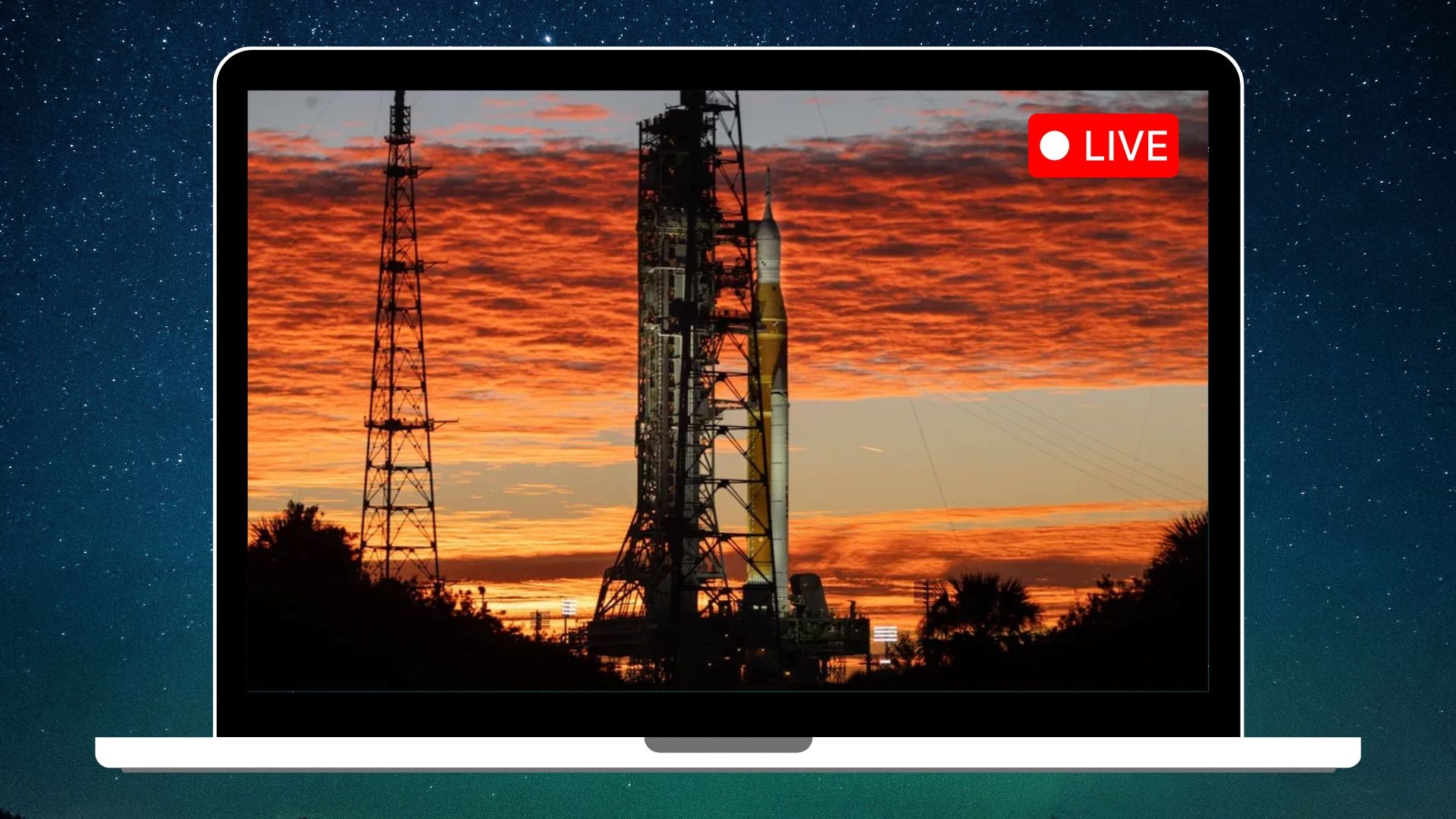
After a 50-year hiatus, humans are set to return to the moon as the Artemis 2 mission launches today, and you can watch the historic event live.
What Happened
The Artemis 2 mission is a significant milestone in space exploration, marking the first time humans have flown to the moon since the Apollo era. The mission will carry four astronauts on a lunar flyby, testing the capabilities of the Space Launch System (SLS) rocket and the Orion spacecraft. The crew will spend approximately 26 days in space, with the lunar flyby being a critical step towards establishing a sustainable human presence on the moon. The mission is designed to pave the way for future lunar missions, including the Artemis 3 mission, which aims to send the first woman and the first person of color to the moon's surface.
The Artemis 2 crew consists of experienced astronauts from the United States, Canada, and the United Arab Emirates. The mission will provide valuable insights into the effects of long-duration spaceflight on the human body and will test the performance of the SLS rocket and Orion spacecraft in a lunar environment. The crew will also conduct a series of scientific experiments during their mission, including studies on the lunar regolith and the space environment.
The launch of the Artemis 2 mission is the result of years of planning and preparation by NASA and its international partners. The mission is a testament to the power of collaboration and innovation in space exploration, and its success will have far-reaching implications for the future of human spaceflight. As the world watches the Artemis 2 mission unfold, it is clear that this is just the beginning of a new era in space exploration, one that will take humans farther than ever before.
Why It Matters
The Artemis 2 mission is a crucial step towards establishing a sustainable human presence on the moon and beyond. By testing the capabilities of the SLS rocket and Orion spacecraft, NASA is paving the way for future lunar missions that will enable humans to explore the moon's surface and establish a permanent presence. The mission also marks a significant milestone in the development of commercial spaceflight, as private companies such as SpaceX and Blue Origin are working closely with NASA to develop the technologies and capabilities needed for lunar and deep space missions. As the world watches the Artemis 2 mission, it is clear that the future of space exploration is bright, and that humans are on the cusp of a new era of space travel and discovery.
What's Next
Following the success of the Artemis 2 mission, NASA plans to launch the Artemis 3 mission, which will send the first woman and the first person of color to the moon's surface. The Artemis 3 mission will build on the successes of Artemis 2, using the lessons learned and the technologies developed to establish a sustainable human presence on the moon. The ultimate goal of the Artemis program is to use the moon as a stepping stone for deeper space missions, including a manned mission to Mars. As the world looks to the future of space exploration, it is clear that the Artemis program is just the beginning of an exciting new era of space travel and discovery.
Source: Space.com
Comments
Post a Comment