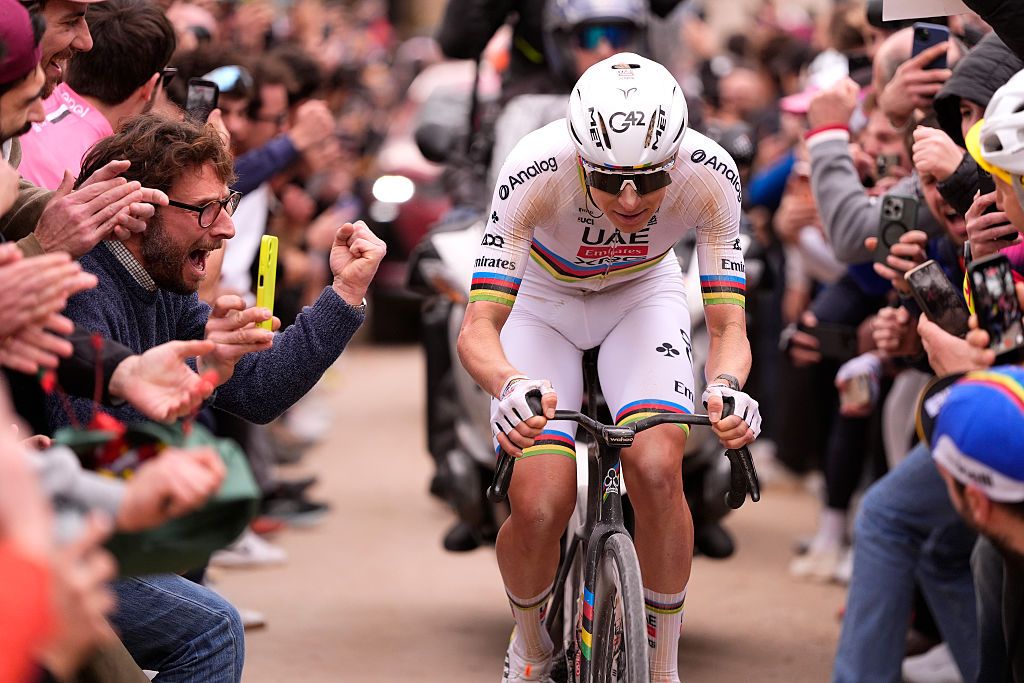
The 2026 Strade Bianche has been won by a daring long-distance attack on a dry day in Tuscany, with the elite men competing across a shortened 201km course featuring 64km of challenging gravel roads leading to Siena.
What Happened
The race saw a dramatic turn of events as a rider launched a bold attack from far out, leveraging the dry conditions to their advantage and pushing through the grueling terrain with a mix of paved and gravel sections. The shortened course, while still demanding, seemed to favor tactics that emphasized endurance and strategic timing. As the peloton navigated the picturesque yet unforgiving Tuscan landscape, the eventual winner demonstrated remarkable stamina and race acumen, outmaneuvering competitors to cross the finish line first.
The dry conditions were a significant factor, as they made the gravel sections more manageable than they would have been in wet conditions, which often characterize the Strade Bianche. This allowed for higher speeds and potentially more aggressive racing. Despite the challenges posed by the gravel roads, the winner's ability to maintain a high pace over the long distance proved decisive. The race was highly anticipated, especially with top contenders like Tadej Pogacar seeking a record-breaking fourth win, and it lived up to expectations with its exciting conclusion.
The outcome of the race was a testament to the winner's physical conditioning, mental toughness, and ability to read the race dynamics accurately. The long-distance attack required not only the physical strength to break away from the pack but also the strategic insight to choose the right moment for the move. The victory will be remembered as one of the highlights of the early racing season, showcasing the best of professional cycling in terms of skill, strategy, and sheer athleticism.
Why It Matters
The victory in the 2026 Strade Bianche is significant not only for the winner but also for the implications it holds for the broader cycling season. It sets a high standard for competitors in upcoming races and underscores the importance of adaptability, given the variable conditions that often characterize outdoor events. The race's unique blend of paved and gravel roads makes it a compelling spectator event and a crucial test for riders looking to gauge their form early in the season. The outcome will likely influence team strategies and individual training regimens as cyclists and their teams analyze what worked and what didn't in Tuscany.
What's Next
As the cycling season unfolds, the repercussions of the Strade Bianche will be felt in subsequent races. Riders who performed well will look to build on their momentum, while those who struggled will aim to regroup and improve. The event's impact on the overall standings and morale of the teams cannot be understated, as it provides valuable points and a psychological boost heading into more challenging competitions. Fans and pundits alike will be watching closely to see how the winner and other top finishers from the Strade Bianche fare in the next events, particularly as the season moves towards its peak.
Source: Cyclingnews.com
Comments
Post a Comment