Trump Strikes Iran Oil Hub

Trump Strikes Iran Oil Hub

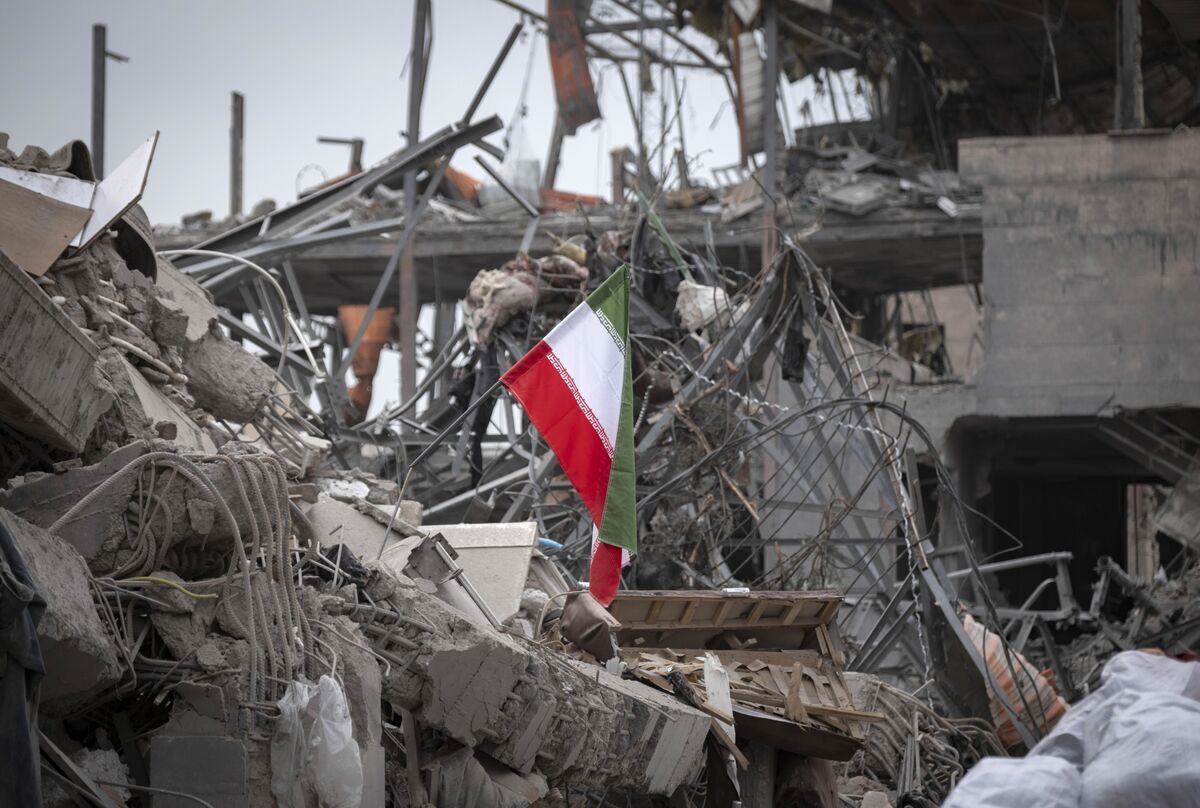
The United States has launched a military strike on Iran's Kharg Island, a key oil hub, marking a significant escalation in the ongoing conflict between the two nations.

What Happened

The US strike on Kharg Island, which took place overnight, targeted military sites on the island, from which Iran exports almost all of its oil. This is the first time the US has struck the island, and it represents a major escalation in the conflict, which has been ongoing for over two weeks. The strike is seen as a significant move by the US to exert pressure on Iran, which has been at the center of the Middle East conflict.

The Kharg Island oil hub is a critical component of Iran's economy, and the US strike is likely to have significant implications for the country's oil exports. The island is home to several major oil terminals, and it is from here that Iran exports the majority of its oil to countries around the world. The US strike on the island is likely to disrupt these exports, which could have far-reaching consequences for the global oil market.

The US has also urged the reopening of the Strait of Hormuz, a critical waterway that connects the Persian Gulf to the Gulf of Oman. The strait is a key shipping lane for oil exports, and its closure could have significant implications for the global economy. The US has stated that it is committed to ensuring the free flow of oil through the strait, and it has warned Iran against taking any actions that could disrupt shipping in the area.

Why It Matters

The US strike on Kharg Island and the call to reopen the Strait of Hormuz are significant developments in the ongoing conflict between the US and Iran. The conflict has been raging for over two weeks, and it shows little sign of easing. The US strike on the island is a major escalation, and it is likely to be seen as a provocative move by Iran. The conflict has already had significant implications for the global oil market, and further escalation could lead to even higher oil prices and greater instability in the region.

What's Next

The situation in the Middle East remains highly volatile, and it is difficult to predict what will happen next. The US strike on Kharg Island is likely to prompt a response from Iran, which has already threatened to retaliate against the US. The conflict could escalate further, leading to even greater instability in the region. The US has stated that it is committed to defending its interests in the region, and it is likely to continue to take a tough stance against Iran. As the situation continues to unfold, the world will be watching with bated breath to see what happens next.

Source: Bloomberg

Comments

Popular posts from this blog

'They hit so hard the house was shaking': Iranians describe impact of US-Israel attacks

Residents in Iran have described the intense impact of ongoing US-Israel attacks, with many reporting that the explosions have been so powerful they have caused houses to shake, as the country faces a third day of strikes. What Happened The attacks, which have been ongoing for three days, have resulted in widespread explosions being heard across the country, both day and night. People in Iran have shared their experiences with the BBC, describing the intense fear and disruption caused by the constant bombardment. Many have reported that the explosions have been so powerful that they have caused houses to shake, with some even describing the sound as deafening. The US and Israel have continued to launch strikes against Iran, with the exact targets and motivations behind the attacks still unclear. However, it is understood that the attacks are part of a broader effort to target Iranian military and strategic assets. The Iranian government has vowed to respond to the attacks, but so fa...

How AI can read our scrambled inner thoughts

A revolutionary breakthrough in artificial intelligence is allowing scientists to decipher the complex electrical signals in our brains, effectively "reading" our innermost thoughts and bringing us closer to a future where technology can interpret our deepest intentions. Overview In a groundbreaking study, researchers at Stanford University in California have successfully used AI to decode the brain signals of a 52-year-old woman who was left paralyzed and unable to speak clearly after a stroke 19 years ago. By implanting a tiny array of electrodes in her brain, the team was able to translate her internal monologue into text on a screen, allowing her to communicate in a way that was previously impossible. This remarkable achievement is a significant step forward in the development of brain-computer interfaces (BCIs), which have the potential to transform the lives of people with severe neurological disorders. The study, which also involved three patients with amyotrophic l...

India and Canada reset ties with 'landmark' nuclear energy deal

India and Canada have signed a landmark nuclear energy deal, marking a significant reset in ties between the two nations, as Canadian Mark Carney meets Indian Prime Minister Narendra Modi in Delhi. What Happened A series of agreements, including a major deal to supply India with uranium, were unveiled during the meeting between Mark Carney and Narendra Modi. The uranium supply deal is expected to boost India's nuclear energy production, helping the country to achieve its clean energy goals. The agreements also cover other areas of cooperation, including trade, investment, and innovation. The nuclear energy deal is seen as a significant development in the relationship between India and Canada, which had been strained in recent years. The two countries have been working to strengthen their ties, and the latest agreements are expected to pave the way for increased cooperation in various fields. The meeting between Mark Carney and Narendra Modi was seen as a positive step towards im...