Troops Deploy to Middle East

Troops Deploy to Middle East

A significant escalation in the Middle East conflict has been marked by the arrival of over 3,500 U.S. troops, as tensions with Iran continue to rise amidst intensified war strikes.

What Happened

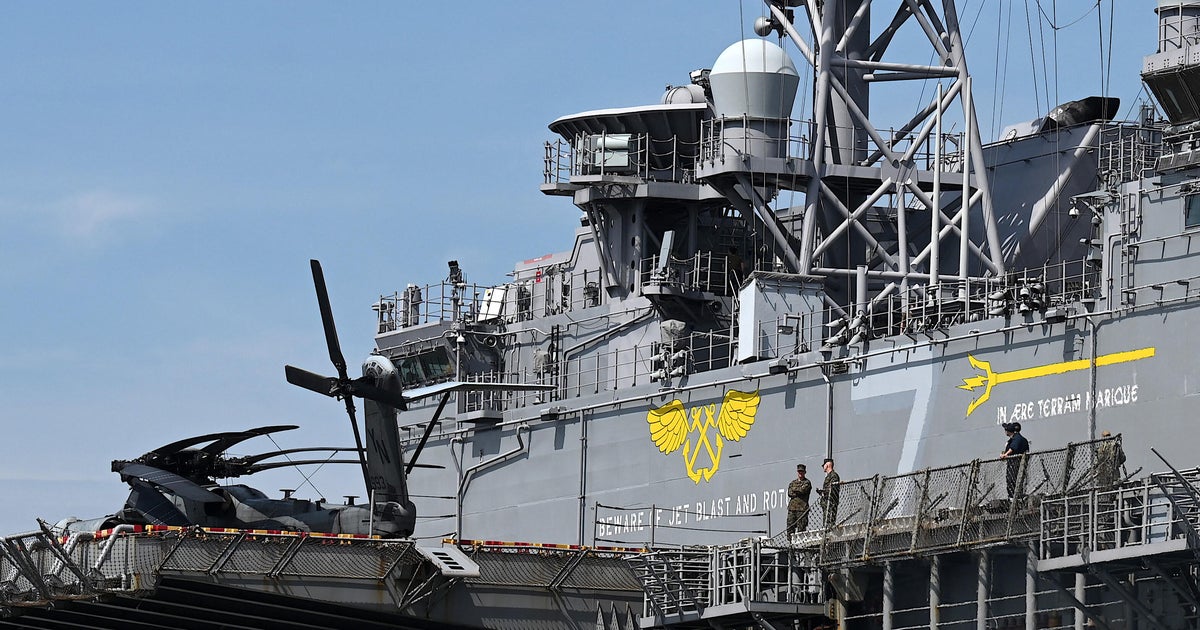
The U.S. Central Command announced on Saturday that more than 11,000 targets have been struck since the commencement of Operation Epic Fury on February 28. This large-scale military operation has seen a substantial increase in U.S. military presence in the region, with the latest deployment of troops aiming to bolster defense capabilities and protect American interests. The USS Tripoli, an amphibious assault ship, has also been deployed to the region, further solidifying the U.S. military's commitment to the area.

The deployment of over 3,500 U.S. troops to the Middle East is a notable development in the ongoing conflict, as it underscores the U.S. government's resolve to address the rising tensions with Iran. The U.S. Central Command's announcement of over 11,000 targets being struck since the operation began highlights the intensity of the military campaign and the extensive scope of the operation. As the situation continues to unfold, the international community remains vigilant, monitoring the developments and their potential implications for regional and global stability.

The U.S. military's actions in the Middle East are part of a broader strategy to counter Iranian influence and protect American assets in the region. The deployment of additional troops and the USS Tripoli demonstrates the U.S. commitment to maintaining a strong military presence in the area, ensuring the safety of its personnel, and safeguarding its interests. The operation's progress and the U.S. military's achievements will be closely watched, as the situation in the Middle East remains a pressing concern for global leaders and international organizations.

Why It Matters

The escalation of the conflict in the Middle East and the deployment of U.S. troops have significant implications for regional and global stability. The rising tensions between the U.S. and Iran have far-reaching consequences, affecting not only the Middle East but also international relations, global trade, and the economy. The U.S. government's decision to increase its military presence in the region reflects its commitment to addressing the situation and protecting its interests, while also underscoring the complexities and challenges associated with conflict resolution in the area.

What's Next

As the situation in the Middle East continues to evolve, the international community will be closely monitoring the developments and their potential implications. The U.S. military's ongoing operation and the deployment of additional troops will likely be subject to scrutiny, with global leaders and international organizations seeking to understand the motivations behind the U.S. government's actions and the potential consequences of the conflict. The future of the region remains uncertain, with the ongoing tensions between the U.S. and Iran posing significant challenges for conflict resolution and regional stability.

Source: CBS News

Comments

Popular posts from this blog

'They hit so hard the house was shaking': Iranians describe impact of US-Israel attacks

Residents in Iran have described the intense impact of ongoing US-Israel attacks, with many reporting that the explosions have been so powerful they have caused houses to shake, as the country faces a third day of strikes. What Happened The attacks, which have been ongoing for three days, have resulted in widespread explosions being heard across the country, both day and night. People in Iran have shared their experiences with the BBC, describing the intense fear and disruption caused by the constant bombardment. Many have reported that the explosions have been so powerful that they have caused houses to shake, with some even describing the sound as deafening. The US and Israel have continued to launch strikes against Iran, with the exact targets and motivations behind the attacks still unclear. However, it is understood that the attacks are part of a broader effort to target Iranian military and strategic assets. The Iranian government has vowed to respond to the attacks, but so fa...

How AI can read our scrambled inner thoughts

A revolutionary breakthrough in artificial intelligence is allowing scientists to decipher the complex electrical signals in our brains, effectively "reading" our innermost thoughts and bringing us closer to a future where technology can interpret our deepest intentions. Overview In a groundbreaking study, researchers at Stanford University in California have successfully used AI to decode the brain signals of a 52-year-old woman who was left paralyzed and unable to speak clearly after a stroke 19 years ago. By implanting a tiny array of electrodes in her brain, the team was able to translate her internal monologue into text on a screen, allowing her to communicate in a way that was previously impossible. This remarkable achievement is a significant step forward in the development of brain-computer interfaces (BCIs), which have the potential to transform the lives of people with severe neurological disorders. The study, which also involved three patients with amyotrophic l...

Live updates: Trump warns Iran about larger strikes as war spirals in Middle East | CNN

The Middle East is teetering on the brink of chaos as a rapidly escalating conflict between the US, Israel, and Iran threatens to engulf the entire region, with far-reaching consequences for global stability and security. Overview The situation is spiraling out of control, with President Donald Trump warning of a "big wave" of attacks yet to come, and US Defense Secretary Pete Hegseth calling on the Iranian people to seize the opportunity for regime change. Meanwhile, Israel and Hezbollah are exchanging blows, and explosions have rocked major cities in the Gulf, including Dubai, Abu Dhabi, and Doha. The conflict has already disrupted air travel, with airspace closed in the Middle East, and Qatar's state-run energy company has halted production of liquefied natural gas following an Iranian attack on its facility. The US military has been actively engaged in the conflict, with B-1 bombers striking deep inside Iran to degrade its ballistic missile capabilities. However, t...