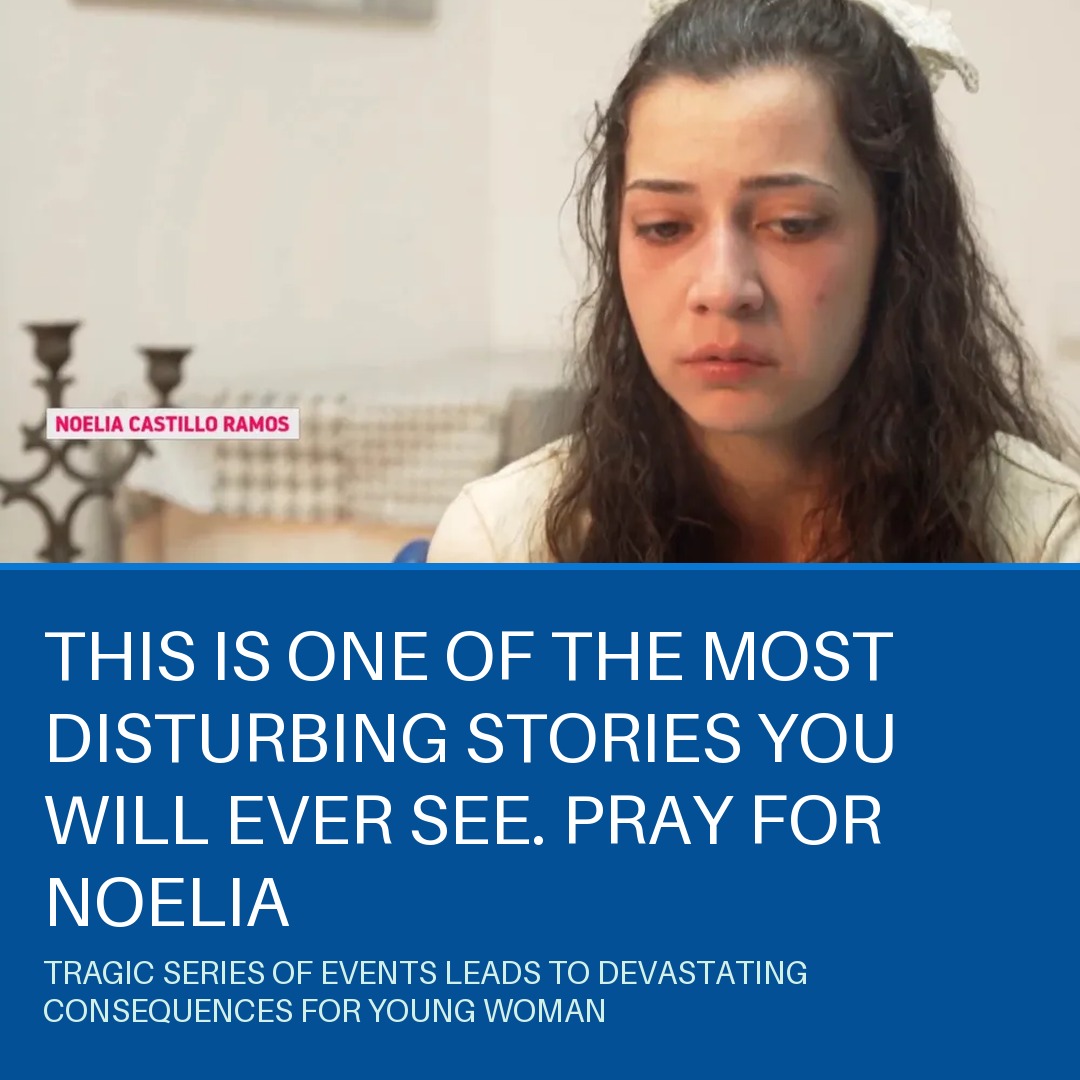
A harrowing and devastating case has unfolded in Spain, leaving a family shattered and sparking widespread outrage over the country's handling of a young girl's tragic fate.
Overview
Noelia, a young girl from Spain, was thrust into a life of unimaginable hardship when her parents' divorce led to the state taking custody of her. At just 13 years old, she was sent to a state-run youth center, where she was brutally gang-raped by three migrants. This horrific event would set off a chain reaction of tragic events that would ultimately lead to her untimely death. The lack of accountability and the state's handling of the situation have raised serious questions about the country's social services and justice system.
As Noelia struggled to come to terms with the trauma she experienced, she attempted to take her own life, resulting in paralysis. Despite her family's love and devotion, the state intervened, ultimately deciding to euthanize her at the age of 25. This decision was made against the wishes of her family, who were desperate to care for her and help her recover. The case has sent shockwaves throughout Spain, with many demanding answers and calling for reform.
The incident has also sparked a heated debate about the treatment of migrants and the effectiveness of the country's justice system. Many are questioning how the suspects in Noelia's case were able to avoid facing criminal charges, and why the state failed to provide her with the support and protection she needed. As the country grapples with the aftermath of this tragedy, it is clear that significant changes are needed to prevent such a horrific series of events from occurring again.
Key Details
The key details of Noelia's case are nothing short of disturbing. At 13, she was placed in a state-run youth center, where she was gang-raped by three migrants. The suspects in the case did not face criminal charges, a decision that has been widely criticized. Noelia's subsequent attempt to take her own life resulted in paralysis, and the state's decision to euthanize her at 25 was made against her family's wishes. The case has raised serious concerns about the state's handling of vulnerable children and its approach to justice and accountability.
Why It Matters
This case matters because it highlights the shocking failures of Spain's social services and justice system. The fact that Noelia was failed at every turn, from the state's inability to protect her from harm to its decision to euthanize her against her family's wishes, is a damning indictment of the country's approach to caring for its most vulnerable citizens. The case also raises important questions about accountability, justice, and the treatment of migrants, and it is clear that significant reforms are needed to prevent such a tragedy from occurring again.
What's Next
As the people of Spain come to terms with the shocking details of Noelia's case, there are likely to be calls for widespread reform and greater accountability. The government will face pressure to explain how such a tragedy was allowed to occur and to outline steps it will take to prevent similar cases in the future. The case is also likely to spark a national conversation about the country's approach to justice, social services, and the treatment of migrants. As the family and loved ones of Noelia seek justice and closure, it is clear that this case will have far-reaching implications for Spain and its people.
Comments
Post a Comment