The recent escalation of tensions between the US and Iran has marked a significant turning point in the relationship between America and Europe, with the two Western allies appearing to be on a collision course.
What Happened
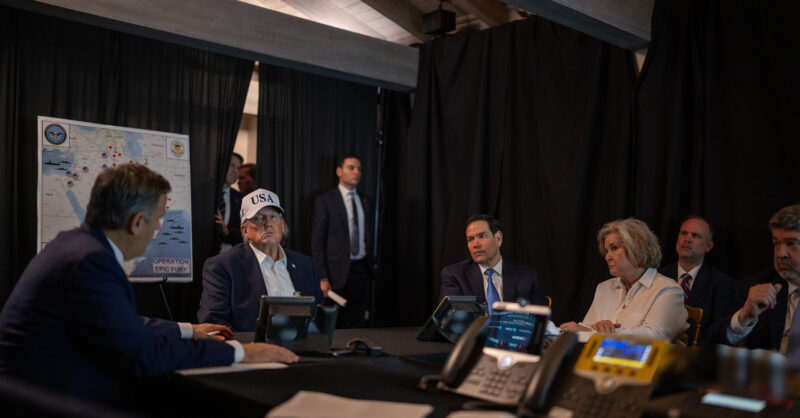
The US and Israel launched missile strikes against the Islamic Republic of Iran, prompting a strong reaction from European leaders. Ursula von der Leyen, the EU Commissioner, was among the first to respond, signaling a clear divergence in opinion between the US and Europe. The strikes were widely seen as a provocative move, and European leaders were quick to express their disapproval, highlighting the growing rift between the two sides.
The US action in Iran has been viewed by many as a unilateral move, taken without sufficient consultation with European allies. This has led to accusations that the US is no longer willing to work within the framework of international cooperation, instead choosing to pursue its own interests regardless of the consequences. The lack of coordination between the US and Europe has been particularly evident in the aftermath of the strikes, with European leaders scrambling to respond to the crisis.
The reaction from European leaders has been swift and decisive, with many expressing their disappointment and frustration at the US actions. The EU has long been a strong advocate for diplomacy and dialogue, and the US decision to launch missile strikes has been seen as a setback for these efforts. As the situation continues to unfold, it remains to be seen how the US and Europe will navigate their increasingly strained relationship.
Why It Matters
The growing rift between the US and Europe has significant implications for global politics and international relations. For the Maga movement, the US actions in Iran have confirmed their long-held fears about Europe, which they see as weak and ineffective. The divergence in opinion between the US and Europe also highlights the challenges of maintaining a unified Western alliance, particularly in the face of rising global tensions. As the US continues to pursue its own interests, often at the expense of international cooperation, Europe is being forced to re-evaluate its own position and role in the world.
What's Next
As the situation in Iran continues to unfold, it is likely that the rift between the US and Europe will only deepen. The US is likely to continue pursuing its own interests, even if this means acting unilaterally, while Europe will be forced to navigate a complex web of diplomatic relationships in an attempt to mitigate the consequences of US actions. The long-term implications of this rift are significant, and could potentially lead to a fundamental shift in the global balance of power. One thing is certain, however: the relationship between the US and Europe will never be the same again.
Source: New Statesman
Comments
Post a Comment