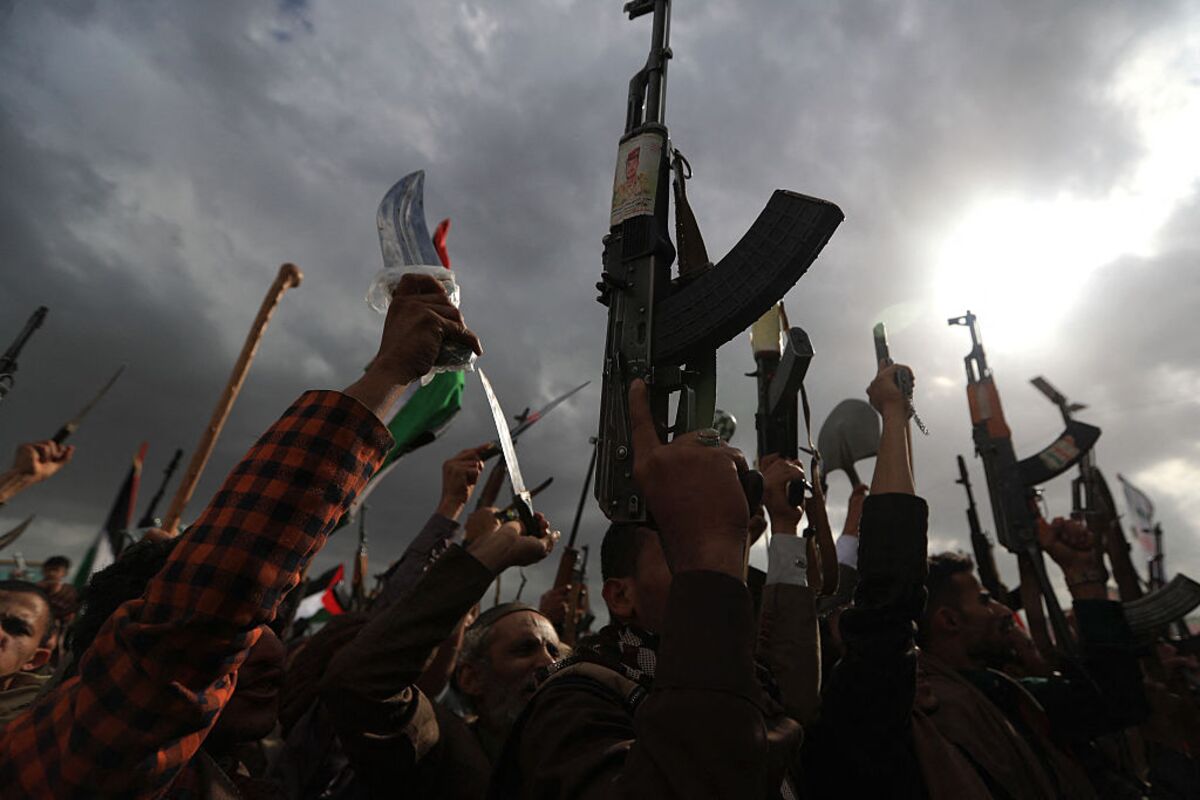
The conflict in the Middle East has escalated as the Houthis launched ballistic missiles at Israel, marking their entry into the month-long Iran war that has already caused widespread chaos in energy markets and resulted in thousands of casualties.
What Happened
The Houthi rebels, backed by Iran, launched ballistic missiles at Israel on Saturday morning, signaling their official entry into the ongoing conflict. This move comes as Iran retaliates against attacks on its nuclear sites, which have been targeted in recent weeks. The attacks have caused significant damage to Iran's nuclear infrastructure, prompting a strong response from the Iranian government.
The involvement of the Houthis in the conflict has raised concerns about the potential for further escalation in the region. The Houthis have been involved in a long-running conflict in Yemen, but their entry into the Iran war marks a significant expansion of their military activities. The launch of ballistic missiles at Israel has also raised concerns about the potential for a wider conflict in the region, drawing in other countries and potentially destabilizing global energy markets.
The situation on the ground remains volatile, with reports of ongoing clashes and airstrikes in several countries. The international community has called for calm and restraint, but the situation remains highly unpredictable. The entry of the Houthis into the conflict has added a new layer of complexity to the situation, making it even more challenging to find a peaceful resolution to the conflict.
Why It Matters
The escalation of the conflict in the Middle East has significant implications for global energy markets and international relations. The conflict has already caused chaos in energy markets, with oil prices surging in response to the attacks on Iran's nuclear sites. The involvement of the Houthis in the conflict has raised concerns about the potential for further disruption to energy supplies, which could have far-reaching consequences for the global economy. The conflict also has significant implications for international relations, with several countries already involved in the conflict and others potentially drawn in as the situation escalates.
What's Next
The situation in the Middle East remains highly unpredictable, with the potential for further escalation in the coming days and weeks. The international community will be watching the situation closely, with many countries calling for calm and restraint. The entry of the Houthis into the conflict has added a new layer of complexity to the situation, making it even more challenging to find a peaceful resolution to the conflict. As the situation continues to unfold, it is likely that we will see further developments in the region, with potential implications for global energy markets and international relations.
Source: Bloomberg
Comments
Post a Comment