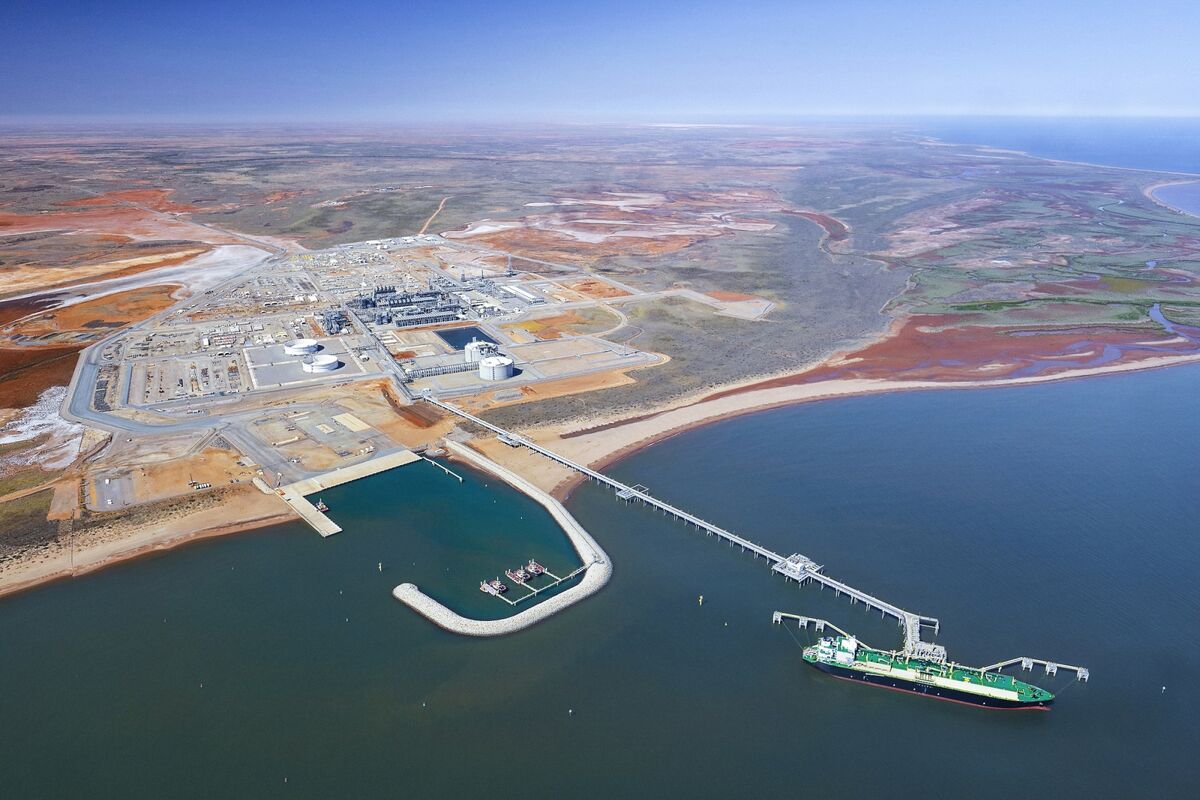
Chevron Corp.'s Wheatstone gas facility in Australia has suffered significant storm damage, complicating efforts to restart operations and potentially keeping the plant offline for weeks, further straining the global liquefied natural gas (LNG) market.
What Happened
Chevron Corp.'s Wheatstone gas plant, located in Australia, has been hit by storm damage, which is now hindering the company's attempts to restart the facility. The damage is expected to cause a significant delay in the plant's return to full operation, with the timeline for a complete restart stretching into weeks. The Wheatstone facility is a crucial component of Australia's LNG export industry, and any disruption to its operations can have far-reaching consequences for the global energy market.
The extent of the damage and the time required to repair it are still being assessed by Chevron. However, the company has confirmed that the storm has caused sufficient damage to impact the restart schedule. The Wheatstone gas plant is one of the major LNG production facilities in Australia, and its outage will contribute to the existing tightness in the global LNG market. The facility's production capacity and its role in meeting international demand make its swift return to operation critical for maintaining balance in the market.
The impact of the storm on the Wheatstone facility underscores the vulnerability of energy infrastructure to natural disasters. As the global energy landscape continues to evolve, with a growing emphasis on LNG as a cleaner-burning fuel, the reliability and resilience of production and export facilities like Wheatstone will become increasingly important. The incident also highlights the challenges faced by energy companies in ensuring the continuity of their operations in the face of environmental risks.
Why It Matters
The delay in restarting the Wheatstone gas facility has significant implications for the global LNG market, which is already experiencing tight supply conditions. The loss of production from this major facility will exacerbate the supply-demand imbalance, potentially leading to higher prices for LNG. This, in turn, could affect the cost of energy for consumers and industries reliant on natural gas, particularly in regions that import significant amounts of LNG. The situation underscores the interconnected nature of the global energy market and the potential for localized disruptions to have widespread effects.
What's Next
As Chevron works to repair the damage and restore the Wheatstone facility to full operation, the company and its stakeholders will be closely watching the progress. The timeline for the restart and the company's strategy for mitigating the impact of the outage on its production and export commitments will be critical factors in determining the overall effect of the storm damage on the global LNG market. Furthermore, the incident may prompt a review of the facility's resilience to natural disasters and potentially lead to investments in enhancing its resistance to future storms.
Source: Bloomberg
Comments
Post a Comment